
WATER TREATMENT
WELL WATER TESTING
Protect Against Contaminants With Annual Water Testing
Annual well water testing can uncover contamination. There are many water treatment options available to address most contaminant issues. Some commonly occurring contaminants may include:
- Naturally occurring compounds like arsenic and radon
- Heavy metals like lead
- Nitrates or nitrites - This is naturally-occurring contaminant originates from animal and farm waste, flooded or malfunctioning sewers and septic systems, and wastewater.
- Iron or sulfur bacteria that causes staining or foul odors like sulfur or "rotten egg smell"
- Bacteria
- Excess mineralization that causes hard water
- pH – Your pH level indicates how acidic or basic your water is
When the pH level is out of balance it can change how the water looks and tastes. As was seen in Flint Michigan, pH levels that are too low or too high can cause corrosive water, which damages pipes, and will cause heavy metals like lead to become immersed in your drinking water.
Some issues are easy to spot, some require testing through a certified lab. Water treatment options from UV light to distillation, ozone, and filtration can alleviate many of these contaminants. If you get water from a private well, you are responsible for testing the quality of your water supply. Annual preventative maintenance ensures safe, clean drinking water for you and your family.
Water Quality Tests Available
Basic Water Test
Total Coliform (bacteria) , Iron, Manganese, Sodium, Chloride, Hardness, Nitrate, Nitrite, pH
Comprehensive Test
Total coliform (bacteria), Iron, Manganese, Sodium, Chloride, Hardness, Nitrate, Nitrite, pH, Sediment, Calcium, Copper, Magnesium, Potassium, Alkalinity, Chlorine, Color, Conductivity, Sulfates, Odor, Turbidity, Fluoride, Arsenic, Lead
Bedrock Test
Total Coliform (bacteria), Total Plate Count, Iron, Manganese, Hardness, Sodium, Chloride, Arsenic, Fluoride, Nitrate, Radon, pH, TDS
Add-ons and other sampling:
- Add Radon
- Lead Only
- Total Coliform (bacteria)
- VOC Testing
- Full FHA/VA
- Radon Only
- MA Title Five Test
- Uranium Only
PFAS/PFOA: Short test (6 PFC compounds)
PFAS/PFOA: Long test (22 PFC compounds)*
*Please note: results typically take 3-4 weeks.
Water Testing Procedures
If the well has recently been chlorinated, please make sure there are no residual traces of bleach in the water. Bleach will affect the results.
- Remove the aerator screen from the faucet, turn on the cold water and let run for 10 minutes.
- Turn the water down to a slow, steady stream. Fill the non-sterilized & PFAS bottles first.
- If you have chosen a package that includes radon and/or VOC analysis, remove the cap from the vial(s) and fill very slowly until the water is almost overflowing from the vial. Return cap and turn the radon or VOC vial(s) upside down and tap to check for the presence of air bubble. If air is present, unscrew the cap and carefully add a few more drops of water to the vial(s). The presence of air in the radon and VOC vials will lead to inaccurate results.
- To collect water for the bacteria analysis, turn off the water, remove faucet screen and disinfect the faucet. A cotton ball with bleach works well. Run the water for an additional 5 minutes. Turn the water back down to a slow, steady stream. Now fill the sealed and sterile bacteria bottle to above the line marked 100ml. This bottle contains powder. Do not dump out.
- Please keep samples cold, whether in a fridge or on ice until the samples are submitted. Samples should be taken right before they are ready to be brought back to us. Granite State Analytical picks up samples Tuesday-Friday by 7:00am, so please plan accordingly.
No samples accepted after 7:00am on Fridays.
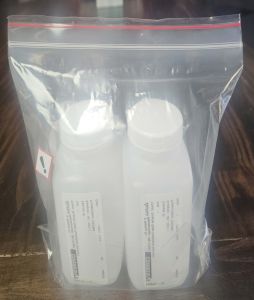
PFAS
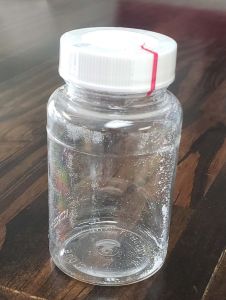
Sterile bacteria w/powder
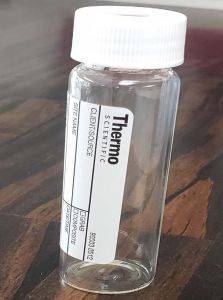
Radon
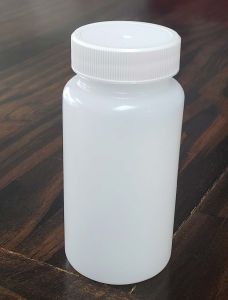
Non-sterilized
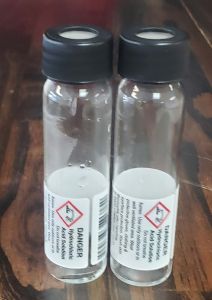
VOC
Related Blog Posts
CONTACT US
Contact us today to discuss our residential services or commercial subcontractor services.
9 Columbia Drive
Amherst, NH 03031